2026 ACM Pictorial
Let's Get
Talking
Breaking the silence and creating spaces for men to navigate the emotional journey of infertility—through meaningful, human conversation.


Breaking the silence and creating spaces for men to navigate the emotional journey of infertility—through meaningful, human conversation.
Despite male factors contributing to half of all infertility cases, emotional support systems remain critically focused on medical outcomes rather than the psychological and relational toll on men and couples.
Qualitative research with men navigating fertility treatment revealed consistent patterns in how they experience—and suppress—emotional need.
Men are socially conditioned to suppress emotional responses during fertility treatment, often prioritising their partner's needs while neglecting their own grief and processing.
Existing emotional support resources were almost exclusively designed for women or mixed-gender couples, leaving men without appropriate language or peer community.
Male fertility experiences are systematically underrepresented in both media narratives and clinical support frameworks, perpetuating isolation and emotional illiteracy.
Two products in particular shaped our thinking — what to borrow, what to improve upon, and where a fertility-specific gap remained.
Games offer something worksheets and therapy homework don't: psychological distancing. When emotional content is framed as play, the game becomes the "agent" asking the difficult question — not the facilitator or the partner — which significantly lowers the social stakes. Men consistently reported being more willing to engage with sensitive topics when the format felt structured rather than open-ended.
"The card said it" — creates safe distance from difficult prompts and reduces defensiveness.
Rules give structure; random draws create discovery. Neither person controls the topic.
Starting shallow and moving deeper scaffolds intimacy rather than demanding it upfront.
Mutual participation reduces the asymmetry that makes one-on-one conversation feel exposing.
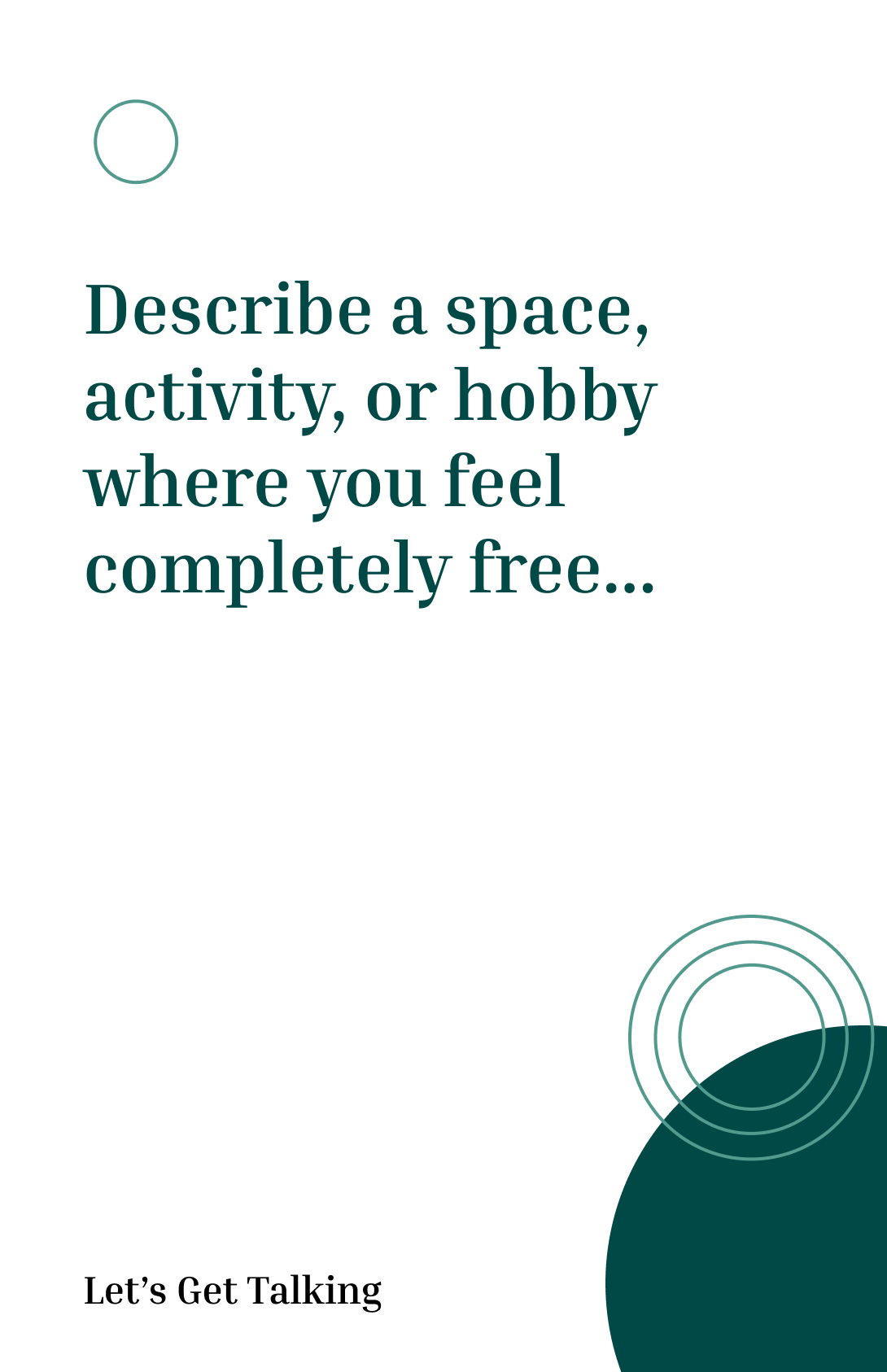
Let's Get Talking is a physical card deck designed to scaffold emotionally meaningful dialogue through progressive depth levels and two distinct card modes.
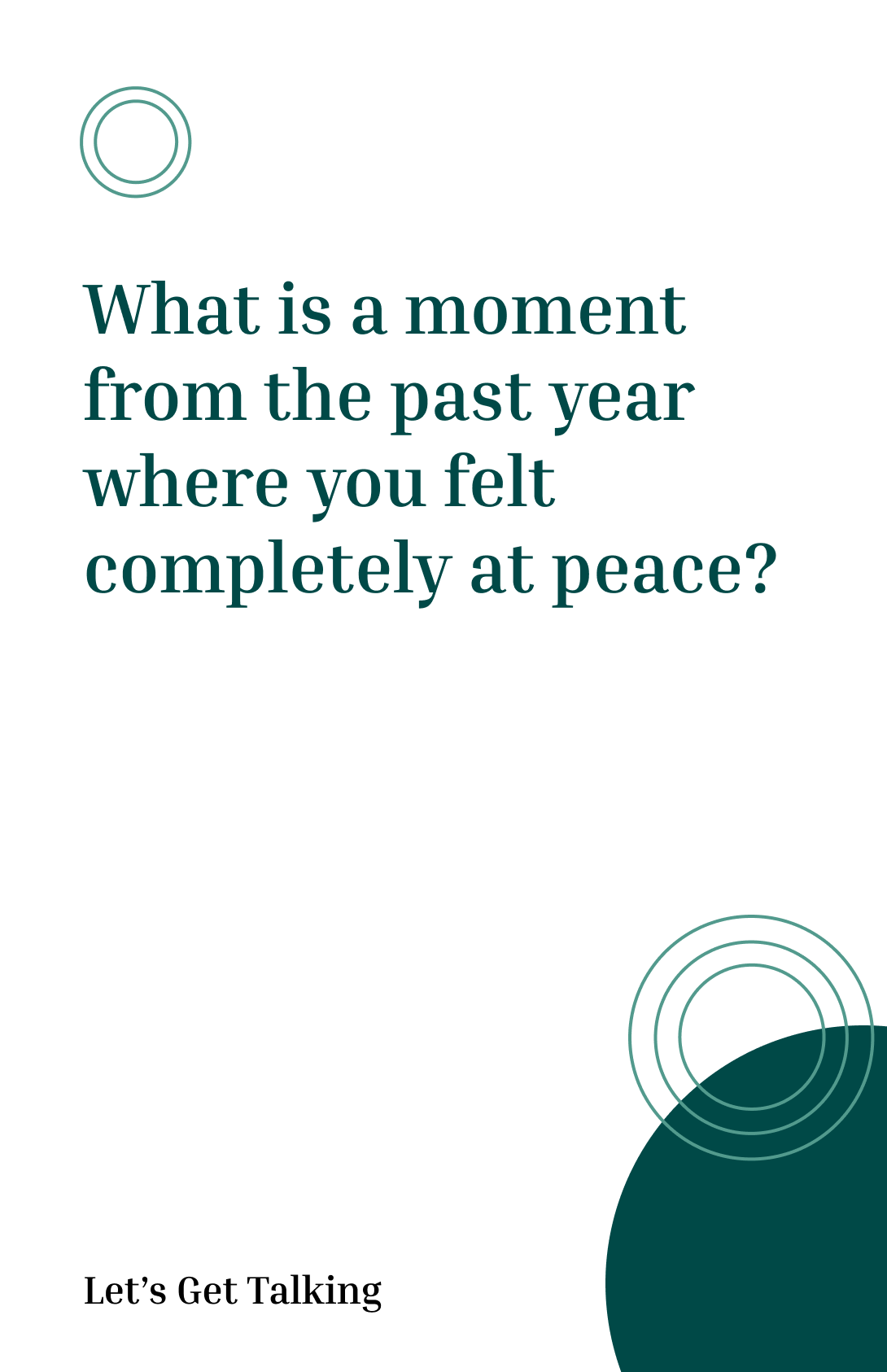
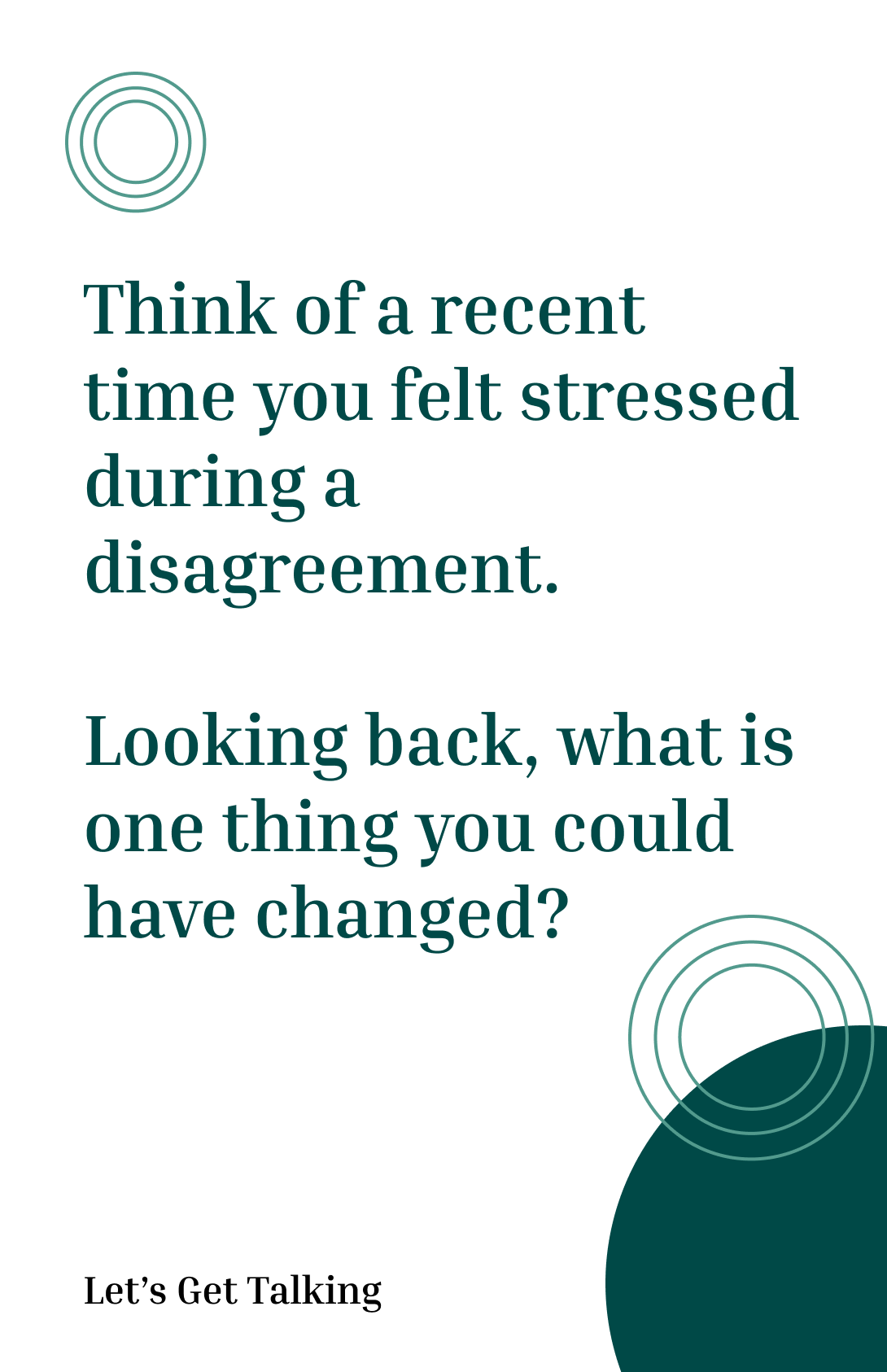

White background — designed for use with trusted friends, family, or peer support groups. Opens dialogue without requiring intimate partner dynamics.
Deep teal background — crafted for private use between partners. Encourages mutual vulnerability and shared emotional navigation through the fertility journey.
Ring icons on each card corner indicate emotional depth. Start shallow and work deeper at your own pace.
A dedicated Skip card normalises passing on any prompt — reducing pressure and maintaining psychological safety throughout play.
Draw a card, sit with the question, and see where the conversation takes you. Toggle between Group and Couple modes.
Let's Get Talking was created by a team of five designers and researchers, united by a shared commitment to empathy-led design.


